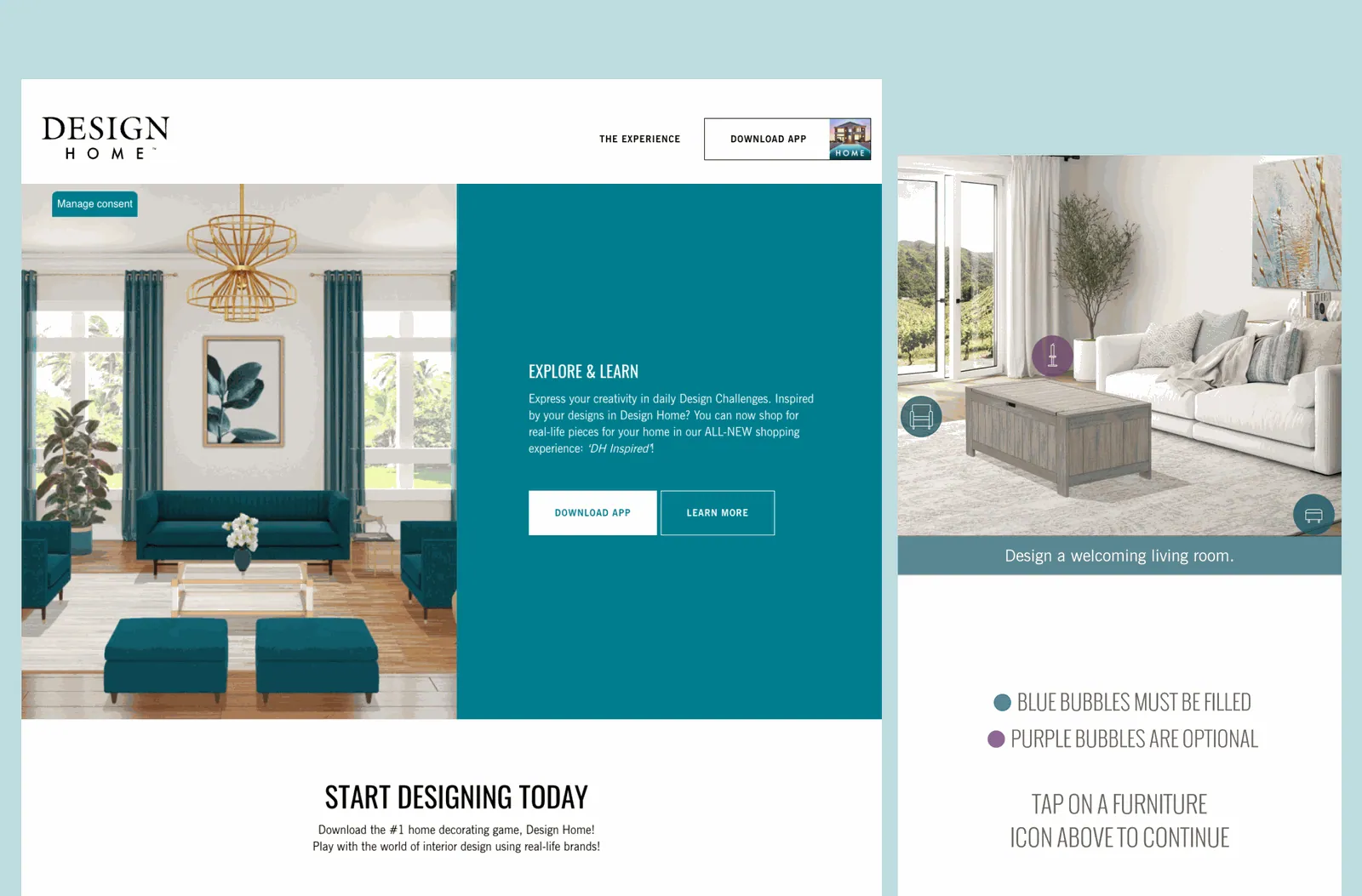
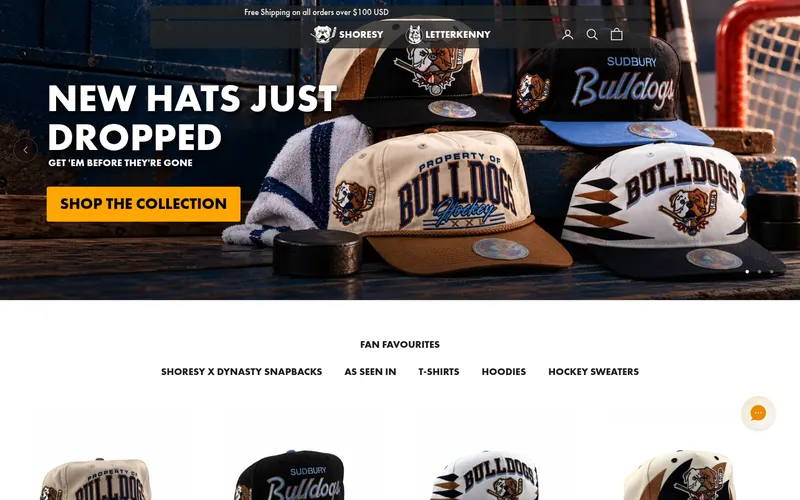
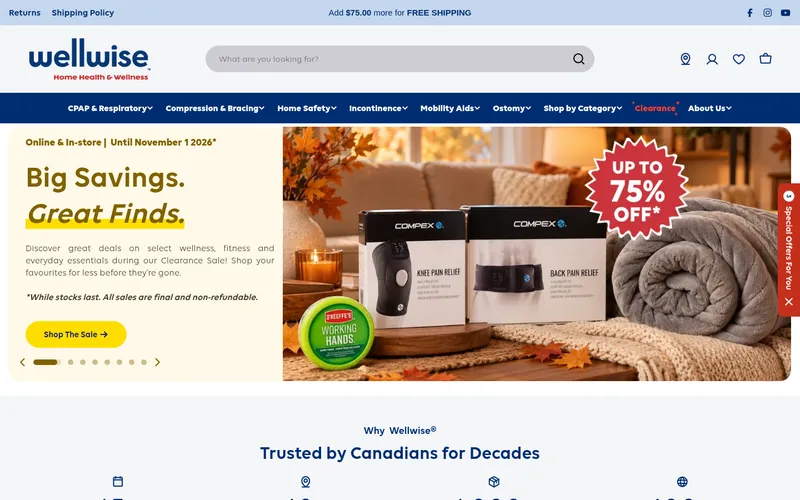
Startup Slang is an AI-first agency for marketing and development, and Shopify is the platform we build on most. Our Shopify work ranges from a first custom theme for a fast-growing brand to enterprise projects on Shopify Plus that connect a store to systems most agencies never touch. We have built the official Letterkenny store for Netflix, Wellwise for Shoppers Drug Mart, and the Shopify Plus store and custom app that made Electronic Arts' mobile game Design Home shoppable.
This page explains what we do on Shopify, how a project runs, and how to tell whether we are the right Shopify partner for you.
What our Shopify agency does
Every Shopify project is different, but most of our engagements combine several of these services:
- Custom Shopify store design and development. Online Store 2.0 themes built around your catalog and your customers, not a lightly edited template. We design collection and product pages around how people actually shop your category.
- Shopify Plus development. Checkout extensibility, Shopify Functions, B2B, multiple storefronts and expansion markets, scripts and automation with Shopify Flow.
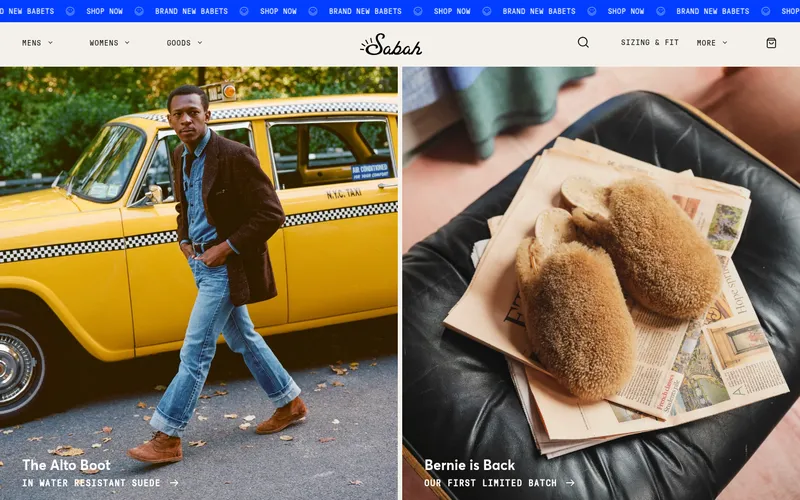
- Headless Shopify. A custom frontend on top of Shopify's commerce engine when a theme cannot deliver the experience, as we did for SABAH and Ace Hardware. See our headless Shopify page.
- Migrations to Shopify. Re-platforming from Salesforce Commerce Cloud, WooCommerce, Magento, BigCommerce or a custom stack, with data, URLs and search visibility protected. See Shopify migration.
- Custom Shopify apps and integrations. Private apps, ERP, PIM and fulfilment connections, and one-off integrations like the game-to-store link we built for Design Home.
- Conversion rate optimization. Research-led changes to navigation, product pages and checkout. See Shopify CRO.
- AI on Shopify. Support agents, product content engines, personalization and marketing automation connected to your store data. See AI automation.
Shopify vs. Shopify Plus: which do you need?
Shopify Plus is Shopify's enterprise plan. It is not a different platform; it is the same commerce engine with more control and more capacity. Brands usually move to Plus when they need one or more of the following:
- Customization of the checkout experience beyond the standard settings
- Native B2B and wholesale features such as company accounts and price lists
- Several storefronts, for different regions, currencies or brands
- Automation with Shopify Flow and Launchpad for scheduled sales and drops
- Higher API limits for heavy integrations with an ERP, PIM or OMS
If none of those apply yet, a well-built standard Shopify store is usually the smarter investment. We will tell you which plan fits during discovery, and we design every build so it can move to Plus later without a rebuild.
Proof from real Shopify projects
We prefer to show the work rather than describe it.
- Electronic Arts, Design Home. No one had connected a mobile game to a Shopify Plus store before. Players of one of EA's most popular games, played by over a million people each day, could buy the real furniture they styled in the game and apply in-game currency to rewards. We built the custom Shopify app, the Plus store and the UI.
- Netflix, Letterkenny. We designed, built and launched the show's official merch store, a Shopify store that speaks the show's language and keeps collections and drops easy to browse on mobile.
- Shoppers Drug Mart, Wellwise. A deep, specialised health and wellness catalog, organised by need so that anyone, including caregivers, can shop it calmly.
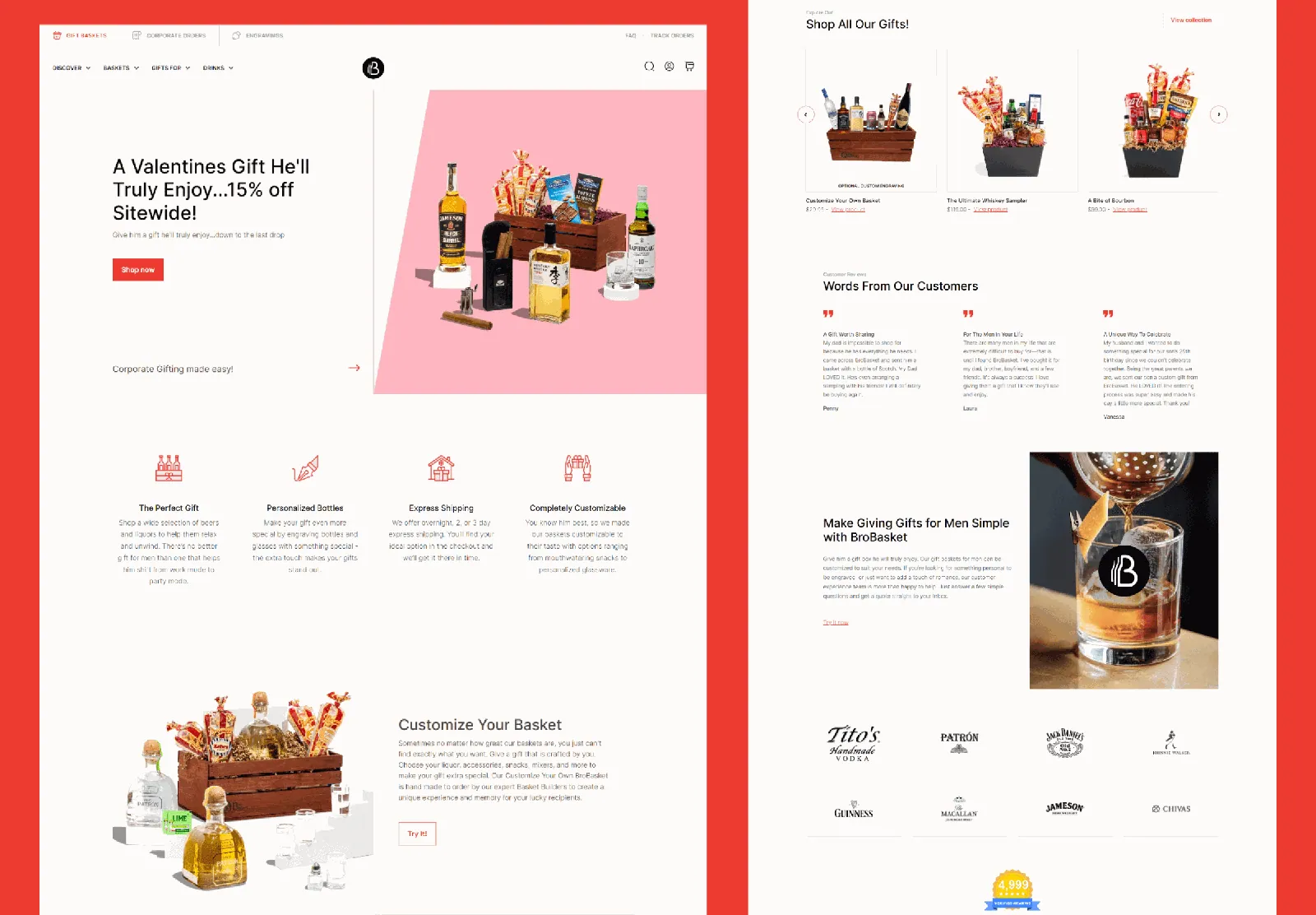
- BroBasket. A migration from WooCommerce to Shopify Plus with a custom flow, a redesigned UX and a PIM to restructure product data.
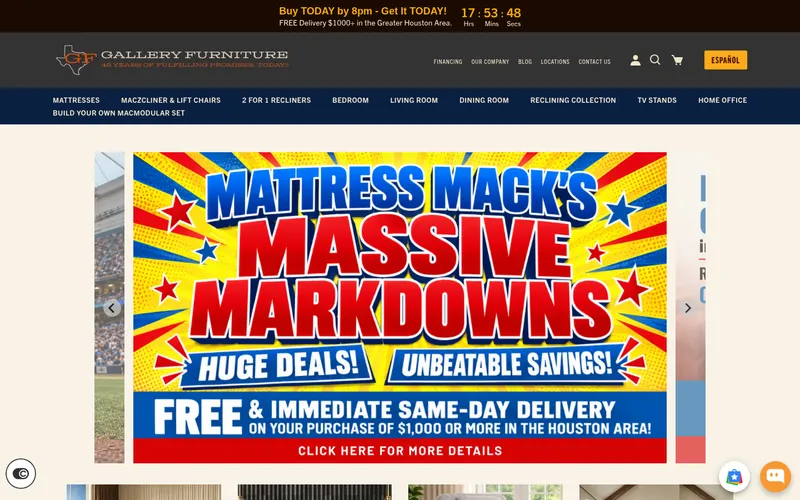
- Gallery Furniture. A new website and a migration from Salesforce Commerce Cloud to Shopify, planned around catalog, customer and URL continuity.
- Holigos. A move off Magento to a clearer, faster Shopify store; consolidating shopping and shortening the home page by 60% lifted conversion rate, page depth and engagement.
We also teach Shopify. Fiverr asked us to create two Learn from Fiverr courses, on Shopify development and conversion rate optimization, which have reached over 4,000 students.
How a Shopify project runs
- Discovery. We review your catalog, data, integrations, analytics and goals, then agree on scope, platform plan and priorities in writing.
- UX and design. Information architecture, wireframes for key templates, then high-fidelity design for desktop and mobile.
- Development. Theme or headless build, apps and integrations, data setup, and content entry, on a staging store you can click through.
- QA and launch. Cross-device testing, performance checks, redirects and analytics validation, then a managed go-live.
- Growth. Post-launch CRO, SEO, email and paid media, and AI automation, if you want us to keep going.
Why brands choose Startup Slang for Shopify
- One team for build and growth. Development, marketing and AI sit under one roof, so the store is designed to sell from day one, not handed over to someone else to fix.
- Enterprise experience, startup speed. We have shipped for Electronic Arts, Netflix, Shoppers Drug Mart and Panasonic, and we still move quickly; the Panasonic Prestige microsite went from brief to launch in about a week.
- Clear ownership. You own your store, code, data and accounts. We document what we build.
- Bilingual, Canadian offices. We work from Toronto and Montreal and serve brands across Canada and the US.
- Verified reviews. Our Clutch profile holds a 5.0 rating from 5 reviews.
Other platforms we work on
Shopify is our focus, but not our only platform. We build on BigCommerce, as we did for Atlas Tools & Machinery, and on WooCommerce for microsites like Dyson Supersonic. If you are weighing platforms, read our guide to Shopify Plus vs. headless commerce or Shopify vs. BigCommerce.