Headless Shopify separates the part of your store customers see, the frontend, from the commerce engine that runs products, inventory, checkout and orders. Shopify keeps doing what it does best, and your storefront becomes a custom application with no theme constraints on layout, motion, content or speed.
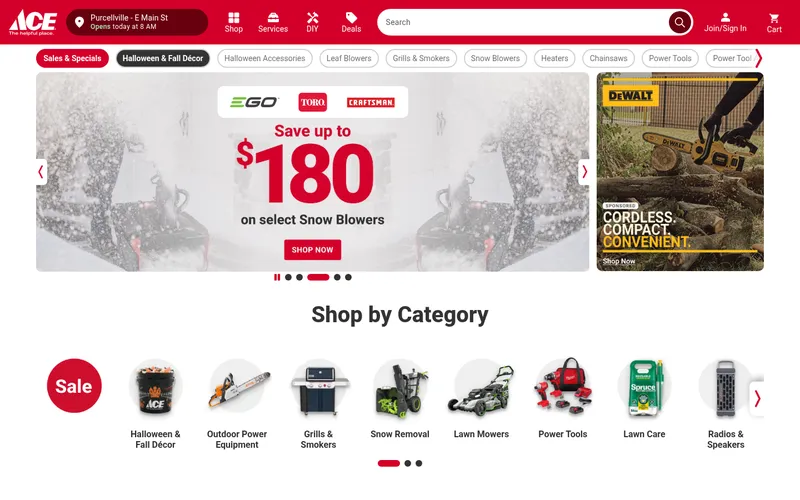
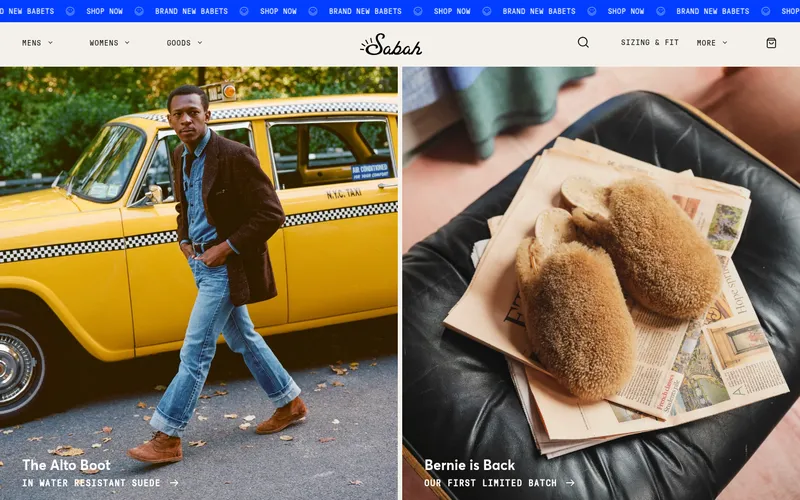
Startup Slang has delivered headless Shopify builds for Ace Hardware, where a large, varied hardware catalog needed more flexibility and speed than a standard theme allowed, and for SABAH, a handmade shoe brand whose frequent collection drops called for a storefront as distinctive as its product.
What headless Shopify means in practice
In a traditional Shopify store, a Liquid theme renders every page. In a headless build:
- Shopify stores products, collections, customers, discounts and orders, and runs the checkout.
- The Storefront API exposes that data to your custom frontend.
- The frontend is built with a modern framework, such as Shopify's own Hydrogen (React) or another framework like Next.js, and hosted on a fast edge platform such as Oxygen or Vercel.
- A CMS (Shopify metaobjects or a headless CMS) often manages editorial content, so marketers can publish without developers.
Customers still check out through Shopify, which keeps payments, taxes and fraud protection on the platform you trust.
When headless Shopify is worth it
Headless is powerful, but it is not for everyone. It usually pays off when:
- Your brand experience is the product. Rich storytelling, motion and custom layouts that themes cannot deliver without heavy hacks, as with SABAH.
- Your catalog is large or complex. Custom search, filtering and browsing patterns for deep ranges, as with Ace Hardware.
- Performance is a priority. A well-built headless frontend can deliver very fast page loads and strong Core Web Vitals.
- You publish to many channels. The same commerce data can power web, apps, in-store screens and even games.
- You have content-heavy marketing. A headless CMS lets your team build landing pages and editorial content quickly.
Headless is usually the wrong choice if your team relies on installing apps that inject theme code, if you have no budget for ongoing development, or if a well-designed Online Store 2.0 theme already meets your needs. We explain those trade-offs in Shopify Plus vs. headless commerce.
How we build headless Shopify stores
- Architecture decision. We map your catalog, content, integrations and team skills, then recommend a framework, hosting and CMS. Sometimes the answer is a hybrid: a theme for most pages and a custom experience where it matters.
- Design. Storefront UX and UI designed for the freedom headless gives you, without sacrificing usability.
- Frontend build. Product listing, product detail, search, cart and account pages wired to the Storefront API, with caching for speed.
- Content and integrations. CMS models, reviews, search, analytics and marketing tags rebuilt for a headless setup.
- SEO protection. Server-side rendering, clean URLs, structured data, sitemaps and redirects so search engines can crawl every page.
- Launch and handover. Performance testing, QA across devices and documentation your team can maintain.
Headless Shopify and SEO
A common worry is that headless sites are hard for search engines to read. That is only true when the frontend renders everything in the browser. We render pages on the server, generate metadata and structured data for every product and collection, keep URLs stable and ship XML sitemaps, so a headless store can rank as well as, or better than, a theme. If you are moving an existing store to headless, we treat it like a migration with a full redirect map.
Beyond the storefront: Shopify as a commerce engine
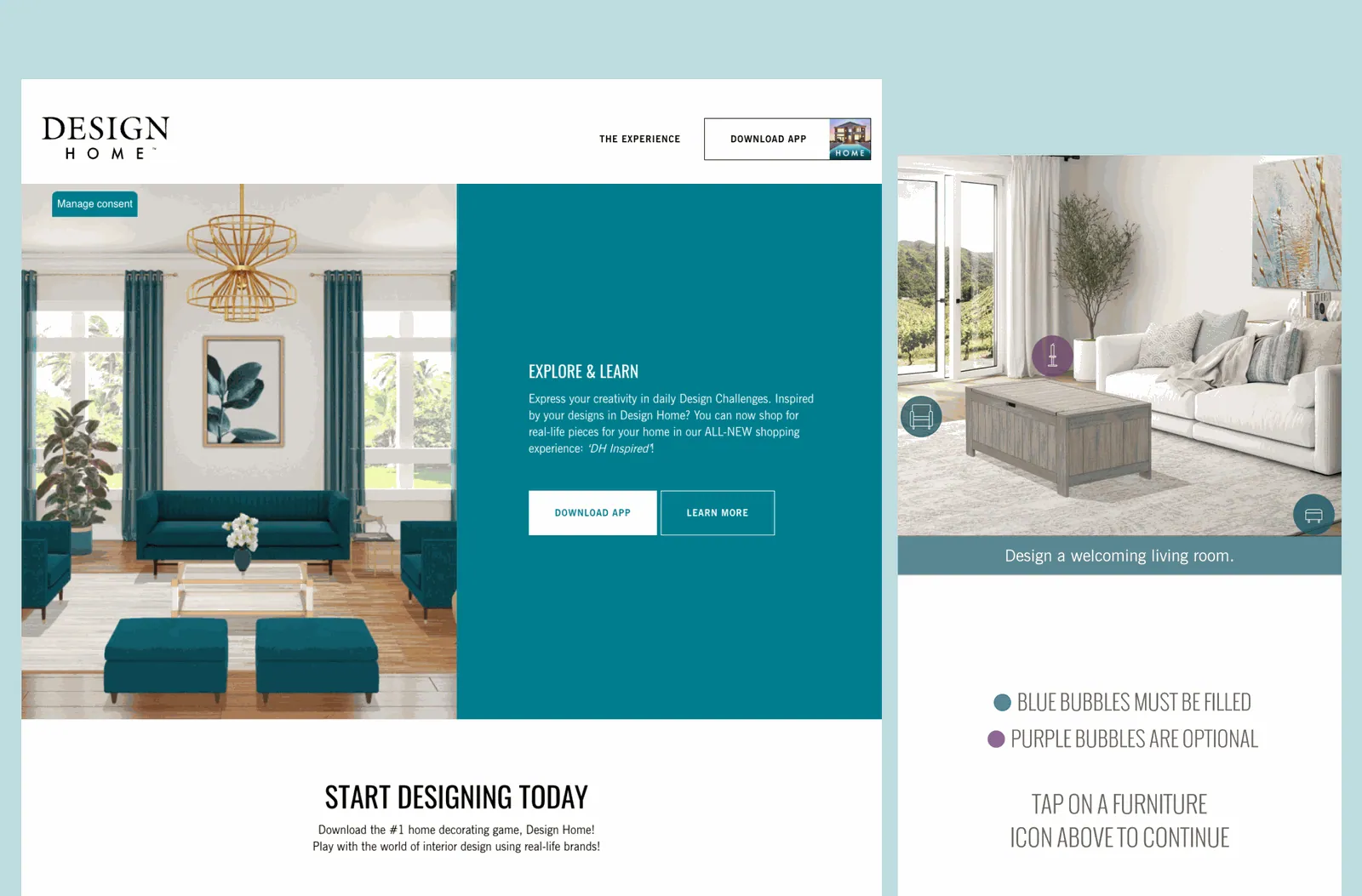
Headless thinking also powers unusual projects. For Electronic Arts we connected the mobile game Design Home to a Shopify Plus store, so players could buy the real furniture they styled in the game. Shopify handled the commerce; a custom app connected it to an entirely different experience. That is the real promise of a decoupled architecture: your products can be sold wherever your customers are.
Working with Startup Slang
We are a Shopify and Shopify Plus agency with offices in Toronto and Montreal. Our team handles design, development and the AI and marketing work that follows launch, so your headless store is built to grow, not just to look good on day one.