Most Shopify stores do not have a traffic problem; they have a conversion problem. Shoppers arrive, browse and leave because the navigation is confusing, the product page leaves questions unanswered, or the cart adds friction at the worst moment. Conversion rate optimization (CRO) fixes that with research and structured changes, so every marketing dollar you spend works harder.
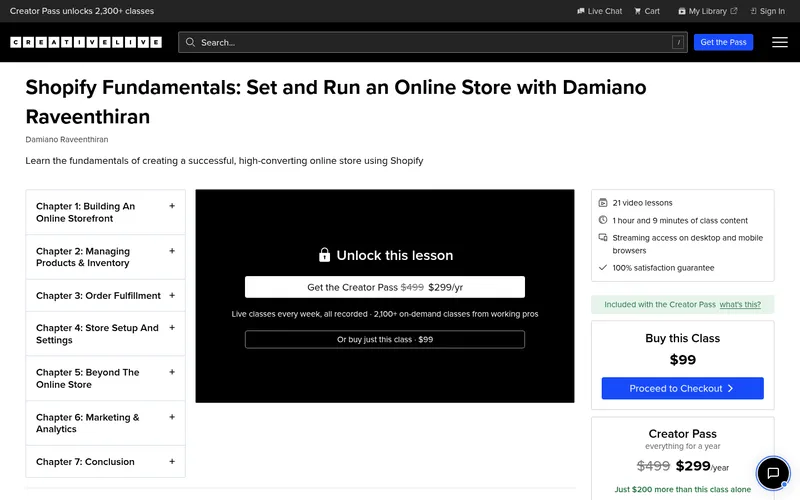
CRO is part of almost every store we build. It is also something we teach: Fiverr asked us to create its Learn from Fiverr course on designing a store that converts, alongside a Shopify development course, and the two courses have reached over 4,000 students.
What Shopify CRO includes
- Analytics audit. We check that GA4, Shopify analytics and your ad pixels are tracking correctly before we trust any number.
- Funnel analysis. Where do visitors drop off: collection, product, cart or checkout? Which devices and traffic sources underperform?
- Qualitative research. Session recordings, heatmaps, on-site surveys and support tickets tell us why people leave.
- Heuristic UX review. An expert review of navigation, search, product pages, cart, checkout, speed and trust signals against e-commerce best practice.
- Prioritised roadmap. Each idea is scored by expected impact, confidence and effort, so the biggest wins ship first.
- Design and development. We design and build the changes ourselves, in your theme or headless frontend.
- Testing. A/B tests where traffic allows; careful before-and-after measurement where it does not.
Where Shopify stores usually lose sales
Navigation and collections
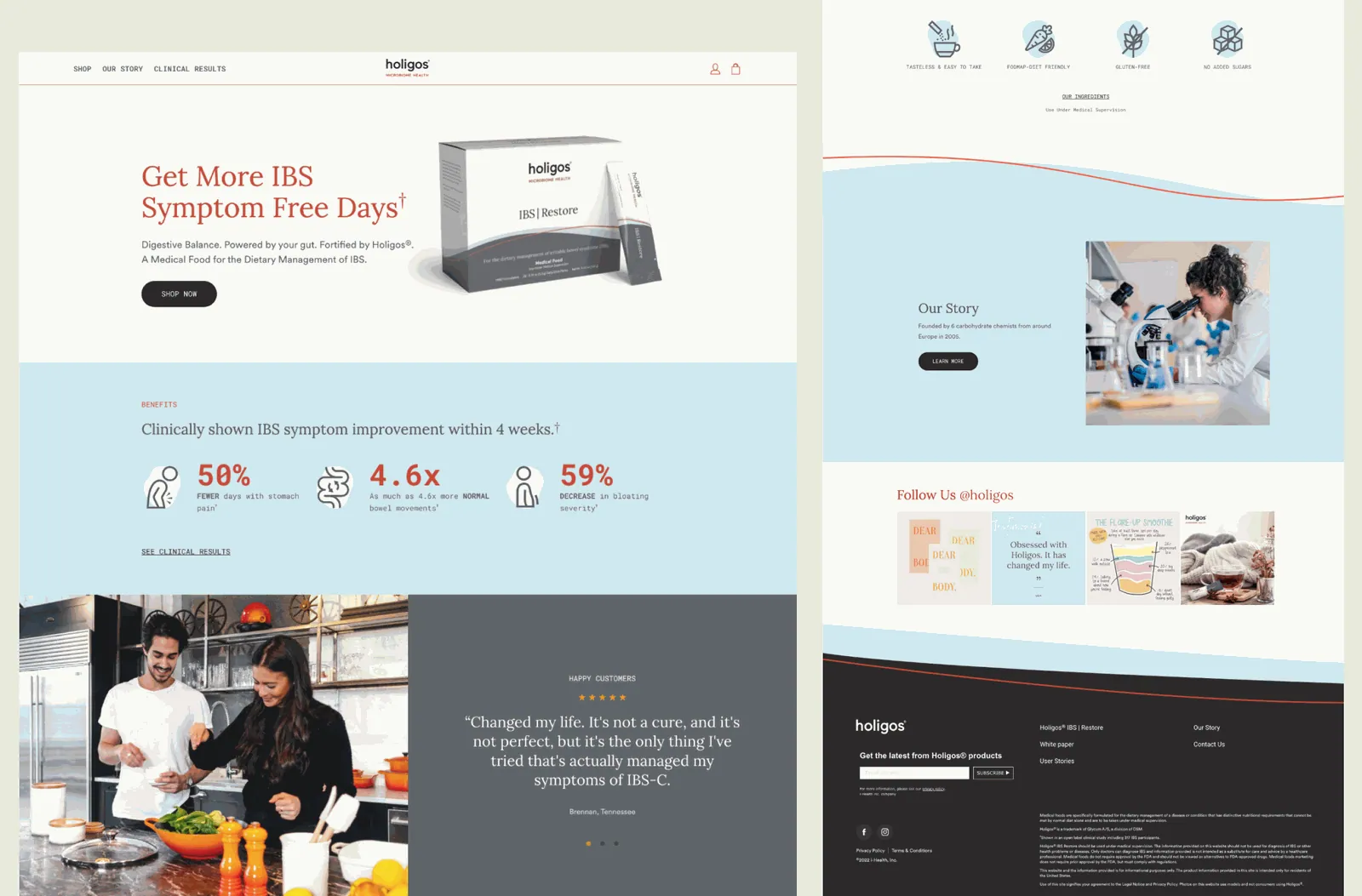
Shoppers should find the right product in a few taps. On Holigos, data showed visitors came to learn about the condition, research the product and buy. We consolidated shopping into one category with custom tagging and shortened the home page by 60%, which lifted conversion rate, page depth and engagement.
Product pages
The product page has to answer every question a shopper would ask in a store: size, materials, compatibility, shipping, returns and social proof. For deep, technical catalogs such as Atlas Tools & Machinery on BigCommerce, that means specs and filters that professionals can scan quickly.
Mobile experience
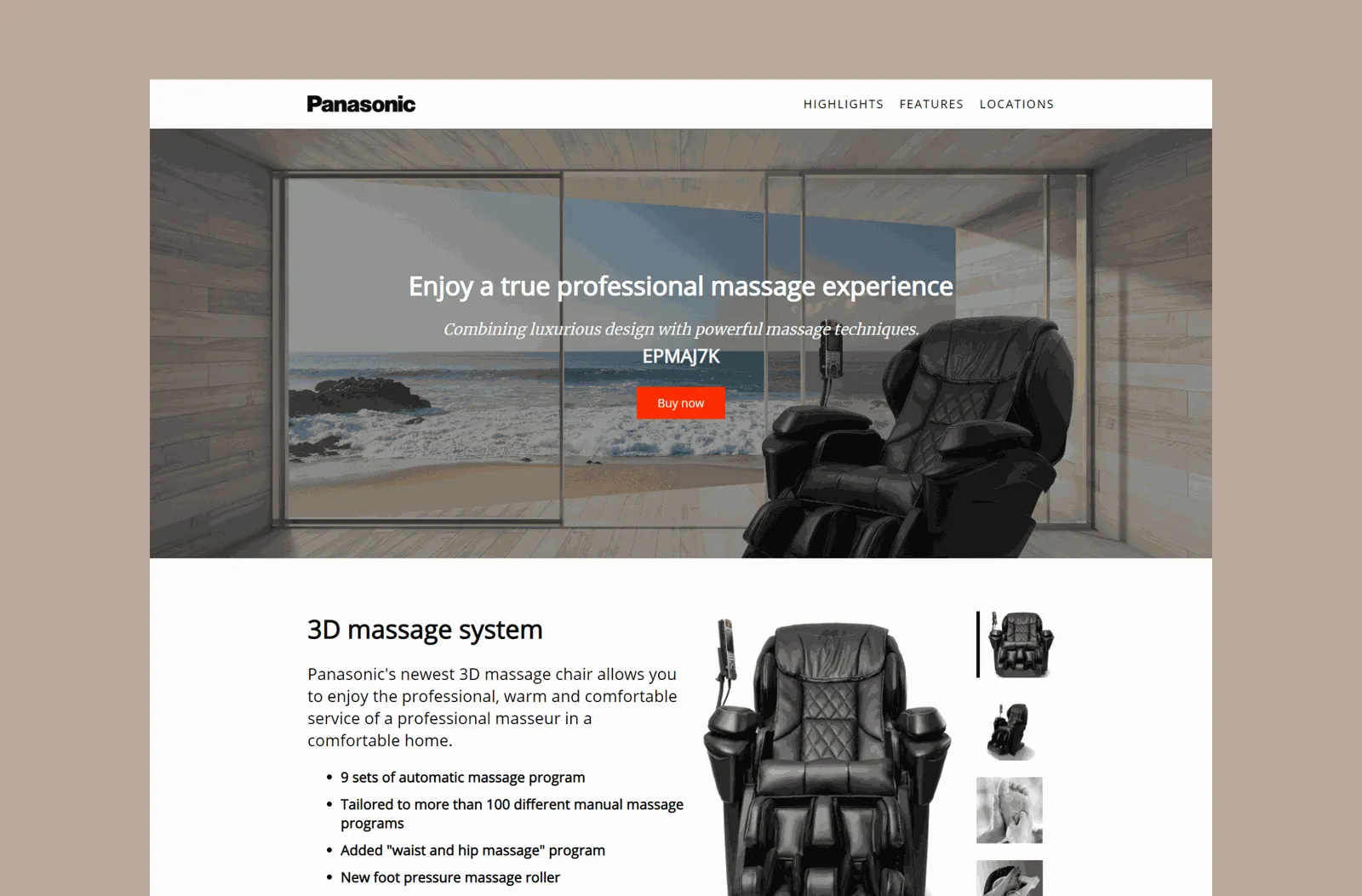
Most Shopify traffic is mobile. When we built the Panasonic Prestige microsite, research showed that more than 90% of the target audience browsed on mobile and preferred high information density, so we designed for that first.
Cart and checkout
Unexpected costs, forced account creation and slow payment steps cause abandonment. On Shopify Plus, checkout extensibility lets us add trust messaging, upsells and custom fields without hurting speed.
Speed
Heavy apps, oversized images and unused scripts slow stores down. We audit apps and theme code and fix Core Web Vitals issues as part of CRO.
Our CRO process
- Measure. Validate tracking and set a baseline for conversion rate, average order value and revenue per visitor.
- Research. Combine data, recordings, surveys and expert review to find problems.
- Prioritise. Build a ranked backlog of hypotheses.
- Ship and test. Design, build and test changes in short cycles.
- Learn. Report what moved the numbers and roll winning patterns across the store.
CRO and AI
AI makes CRO faster. We use AI to cluster survey and review feedback, generate product copy variants for testing, and personalize content by segment. AI support agents can also answer pre-purchase questions instantly, which removes a common reason for abandonment; see AI chatbot development.
Who Shopify CRO is for
CRO works best for stores with steady traffic and clear goals, whether you just launched a new store with us or have been on Shopify for years. If your store needs deeper changes first, we can combine CRO with a redesign, a migration or a headless build. Read our Shopify CRO checklist to see the kind of issues we look for.