AI is now part of almost every Shopify store, from Shopify Magic in the admin to apps for search, support and personalization. The question is no longer whether to use AI, but where it actually saves time or makes money. Here are ten uses we see paying off, and how to approach them.
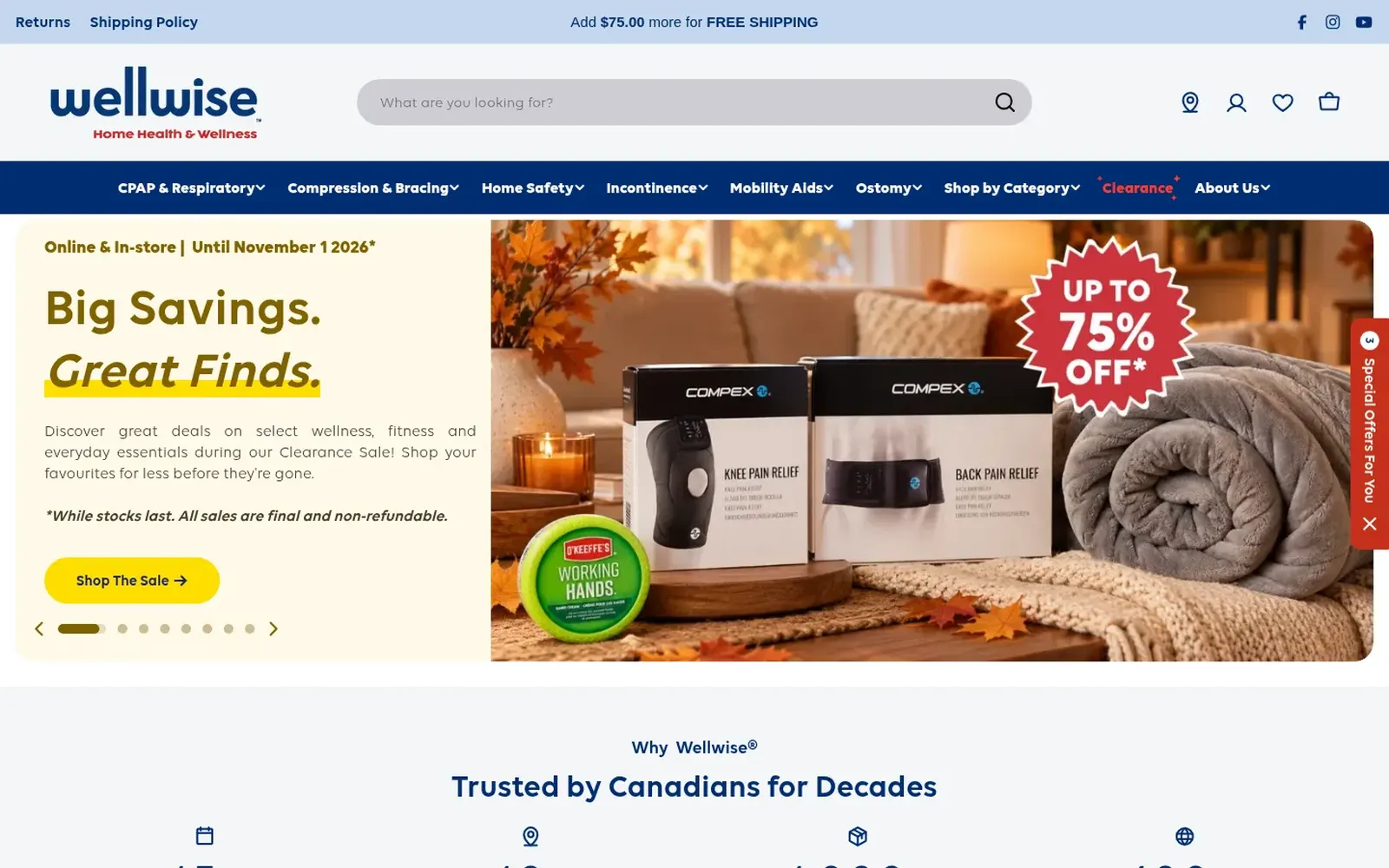
At Startup Slang we are an AI-first agency that also builds Shopify stores, for brands like Wellwise by Shoppers Drug Mart and SLK Home. That combination means we think about AI in terms of the store and systems it has to plug into.
1. Product descriptions and content at scale
AI can draft product descriptions, collection copy and meta tags from your product data, in your brand voice and in several languages. The key is good inputs (accurate attributes) and human review, especially for regulated products such as supplements or health items.
2. Product data enrichment
Many catalogs have missing attributes, inconsistent naming and weak tags. AI can extract attributes from titles, descriptions and images, standardize them into metafields and improve filtering and search. This is often the highest-value, least glamorous AI project.
3. Smarter on-site search
AI-powered search understands natural language ("waterproof boots for winter under $200"), synonyms and typos, and can rank results by relevance and margin. For large catalogs, better search directly lifts conversion.
4. Customer support agents
AI agents can answer order-status, shipping, returns and product questions using your policies and order data, and hand off to a human when needed. We cover how to deploy them safely in AI agents for customer support and our AI chatbot development page.
5. Personalized recommendations
AI can recommend products based on browsing, purchase history and similar customers, on site and in email. Start with built-in or app-based recommendations before considering custom models.
6. Email and SMS marketing
AI helps segment customers, predict churn or next purchase, generate subject lines and personalize content. See AI marketing automation for e-commerce.
7. Ad creative and testing
Generative AI can produce variations of ad copy and images for testing, speeding up creative cycles. Keep brand guidelines and human approval in the loop.
8. Reviews and feedback analysis
AI can summarize thousands of reviews and support tickets into themes, such as sizing issues or shipping complaints, so you know what to fix in product pages and operations.
9. Operations automation
Behind the scenes, AI automation can tag and route orders, flag fraud risks, draft supplier emails, forecast inventory and reconcile data between Shopify and your ERP, often combined with Shopify Flow and workflow tools.
10. Search engine and answer engine visibility
Shoppers increasingly ask AI assistants for recommendations. Structured product data, clear content and strong reviews help your products appear. Read AI SEO and answer engine optimization.
Where to start
- List repetitive tasks your team does weekly, and estimate the hours.
- Check your data. Most AI projects are limited by product and customer data quality.
- Pick one use case with clear value and low risk, such as product data enrichment or support for order-status questions.
- Try existing tools first (Shopify Magic, Shopify Flow, apps) before building custom.
- Measure time saved, conversion or ticket resolution, then expand.
Risks to manage
- Accuracy: AI can be confidently wrong. Ground it in your data and review outputs.
- Brand voice: generic AI copy hurts differentiation. Give it guidelines and examples.
- Privacy: be careful what customer data you send to third-party models.
- App bloat: each new AI app adds cost and possibly scripts to your store.
If you want help choosing and building the right AI for your store, talk to our AI automation agency team or our Shopify agency.
Frequently asked questions
How can AI help a Shopify store?
Common uses are product content and data enrichment, smarter search, support agents, personalized recommendations, marketing automation and back-office operations.
What is Shopify Magic?
Shopify Magic is Shopify's built-in set of AI features that help merchants write product descriptions, emails and other content, and work faster in the admin.
Do I need a custom AI solution for my Shopify store?
Usually not at first. Start with Shopify's built-in tools and proven apps, and build custom only when your data, scale or workflows need it.
Is AI-generated product content bad for SEO?
Not if it is accurate, useful and reviewed. Search engines reward helpful content regardless of how it is produced, but thin or duplicated AI copy performs poorly.